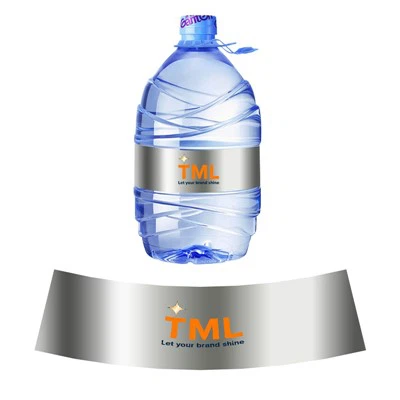
Shrink sleeves have become a popular choice for product packaging due to their versatility, eye-catching appearance, and ability to conform to various container shapes. As a shrink sleeves supplier, I often receive questions from customers about the fire-resistant properties of our products. In this blog post, I will delve into the topic of whether shrink sleeves are fire-resistant, exploring the factors that influence their fire behavior and discussing the available options for fire-resistant shrink sleeves. Shrink Sleeves
Understanding Fire Resistance
Before we can determine whether shrink sleeves are fire-resistant, it’s important to understand what fire resistance means. Fire resistance refers to a material’s ability to withstand the effects of fire, such as heat, flames, and smoke, without igniting or spreading fire. Fire-resistant materials are designed to slow down the spread of fire, giving people more time to evacuate and reducing the risk of property damage.
Factors Affecting the Fire Behavior of Shrink Sleeves
The fire behavior of shrink sleeves is influenced by several factors, including the type of material used, the thickness of the sleeve, and the presence of additives or coatings. Let’s take a closer look at each of these factors:
Material Type
Shrink sleeves are typically made from a variety of materials, including polyethylene terephthalate (PET), polyvinyl chloride (PVC), and polyolefin. Each of these materials has different fire properties, which can affect the fire behavior of the shrink sleeve.
- PET: PET is a commonly used material for shrink sleeves due to its clarity, durability, and recyclability. However, PET is a thermoplastic material, which means it can melt and drip when exposed to high temperatures. This can increase the risk of fire spread and make it more difficult to extinguish the fire.
- PVC: PVC is another popular material for shrink sleeves. It is known for its flexibility, chemical resistance, and low cost. PVC is also a thermoplastic material, but it has a higher melting point than PET, which means it is less likely to melt and drip when exposed to high temperatures. However, PVC can release toxic gases when burned, which can be harmful to human health.
- Polyolefin: Polyolefin is a family of polymers that includes polyethylene and polypropylene. Polyolefin shrink sleeves are known for their high clarity, flexibility, and heat resistance. They are also less likely to release toxic gases when burned compared to PVC. However, polyolefin shrink sleeves can still melt and drip when exposed to high temperatures, which can increase the risk of fire spread.
Thickness
The thickness of the shrink sleeve can also affect its fire behavior. Thicker shrink sleeves are generally more fire-resistant than thinner sleeves because they can provide more insulation and protection against heat and flames. However, thicker shrink sleeves may also be more difficult to shrink and may require more heat to achieve a proper fit.
Additives and Coatings
Additives and coatings can be used to improve the fire resistance of shrink sleeves. For example, fire retardant additives can be added to the shrink sleeve material to reduce its flammability and slow down the spread of fire. Coatings can also be applied to the surface of the shrink sleeve to provide a protective barrier against heat and flames.
Fire-Resistant Shrink Sleeves
While traditional shrink sleeves may not be inherently fire-resistant, there are options available for fire-resistant shrink sleeves. These sleeves are designed to meet specific fire safety standards and can provide an extra layer of protection against fire.
Fire-Resistant Materials
Some manufacturers offer shrink sleeves made from fire-resistant materials, such as flame-retardant PET or PVC. These materials are treated with fire retardant additives to reduce their flammability and slow down the spread of fire. Fire-resistant shrink sleeves can be used in a variety of applications, including electrical equipment, automotive components, and industrial products.
Fire-Resistant Coatings
In addition to using fire-resistant materials, shrink sleeves can also be coated with fire-resistant coatings. These coatings can provide a protective barrier against heat and flames, reducing the risk of fire spread. Fire-resistant coatings can be applied to the surface of the shrink sleeve using a variety of methods, including spraying, dipping, and laminating.
Applications of Fire-Resistant Shrink Sleeves
Fire-resistant shrink sleeves can be used in a variety of applications where fire safety is a concern. Some common applications include:
Electrical Equipment
Fire-resistant shrink sleeves can be used to protect electrical wires and cables from fire. They can provide insulation and protection against heat and flames, reducing the risk of electrical fires.
Automotive Components
Fire-resistant shrink sleeves can be used to protect automotive components, such as engine wiring, fuel lines, and brake lines, from fire. They can provide a barrier against heat and flames, reducing the risk of engine fires and other automotive fires.
Industrial Products
Fire-resistant shrink sleeves can be used to protect industrial products, such as machinery, equipment, and storage containers, from fire. They can provide a barrier against heat and flames, reducing the risk of industrial fires and other workplace accidents.
Conclusion

In conclusion, while traditional shrink sleeves may not be inherently fire-resistant, there are options available for fire-resistant shrink sleeves. These sleeves are designed to meet specific fire safety standards and can provide an extra layer of protection against fire. As a shrink sleeves supplier, I am committed to providing our customers with high-quality, fire-resistant shrink sleeves that meet their specific needs and requirements.
Shrink Sleeves If you are interested in learning more about our fire-resistant shrink sleeves or would like to discuss your specific packaging needs, please contact us. Our team of experts is available to answer your questions and provide you with a customized solution that meets your needs and budget.
References
- ASTM International. (2021). Standard Test Method for Measuring the Heat Release Rate of Materials and Products Using an Oxygen Consumption Calorimeter. ASTM E1354.
- National Fire Protection Association. (2021). NFPA 70: National Electrical Code.
- Underwriters Laboratories. (2021). UL 94: Standard for Tests for Flammability of Plastic Materials for Parts in Devices and Appliances.
TML Packaging Co., Ltd.
TML Packaging Co., Ltd. is well-known as one of the leading shrink sleeves manufacturers and suppliers in China. Please feel free to buy high quality shrink sleeves at competitive price from our factory. Contact us for more details.
Address: Room 423, Building 5, Xixi First Building, Xihu District, Hangzhou City, Zhejiang Province
E-mail: sales@T-M-L.com
WebSite: https://www.t-m-l.com/
