Hey there, it’s Jake from the Garment Steamer team—y’know, the guy who’s got a dusty box of demo units in my office that I still test every Saturday morning, just to make sure I’m not sending garbage out to customers. I get at least 5 DMs a week from folks panicking because their steamer stopped steaming. It’s never as bad as it seems, most of the time. I’ve been fixing these things in my sleep lately, so let’s break it down like I’m chatting with a buddy who’s mid-panic because they’re about to head to a wedding and their dress is all wrinkled. Garment Steamer

First up, stop and take a breath. I swear, 70% of “my steamer is dead” issues are user error, not a broken machine. No joke. The last thing anyone wants is to trash a perfectly good steamer because they forgot to top up the water, or crammed a weird bottle in there. Let’s start with the super obvious stuff—wait, no, let’s go step by step, like we’re troubleshooting in real time.
First check: Did you even add water? I can’t tell you how many people send me videos of their steamer sitting on the counter, reservoir totally empty, like I’m gonna magic steam out of thin air. If it’s corded? Is it plugged in? And not just into a socket that’s switched off—my niece once spent 20 minutes screaming at her steamer because her roommate had flipped the laundry room breaker for the vacuum. That’s the first two checks, easy. 10 minutes in, you’re still here, so let’s dig deeper.
Next, water quality. This is the big one that almost no one knows about, and it’s the #1 cause of steamers crapping out long before they should. I’ll say it straight: tap water is bad. Like, really bad. It’s got minerals—calcium, magnesium, all that gunk—and when you heat that? It turns into scale, clogs up the tiny holes in the steam nozzle, and builds up inside the water tank and heating element. I’ve seen units that only had tap water in them for 6 months that have a layer of scale thick enough to scrape off. That’s why we explicitly recommend distilled or demineralized water for all our units, and most other brands too. If you used tap water, that’s probably your issue. Let’s fix that next, but hold up—don’t go pouring tap water in and turning it on. If scale’s built up, that’s the problem.
Wait, another quick check: Is the nozzle clogged? Sometimes, if you have a weird water spot, or even a tiny piece of lint that got sucked in when you refilled the tank (yeah, that happens), the tiny steam holes on the end get blocked. How to check that? Unplug the unit, let it cool all the way down—you don’t wanna burn your fingers—and then turn the nozzle a little, or pull off the tip if it’s detachable. Take a close look, if you see white gunk or a tiny lint ball, that’s it. You can use a toothpick (the kind with plastic, not metal—metal might scratch the nozzle) to gently poke each hole, or even soak the nozzle in warm distilled water for 10 minutes to loosen stuff. Don’t use a pin or something sharp, that can damage the holes and make the steam sputter instead of come out right.
Okay, so if you’ve ruled out no water, bad plug, and a clogged nozzle, now we’re at the big one: scale buildup. That’s the silent killer of steamers, honestly. Even if you thought you used distilled water, maybe you skipped descaling for a year, or someone before you used tap. Descaling is just removing that mineral gunk, and it’s super easy. I’ve done this on all our demo units, so trust the guy who’s got scarred fingers from testing. First, unplug the steamer and make it cold. Empty any leftover water in the tank. Then, mix a 50/50 solution of distilled water and white vinegar—regular cleaning vinegar, not that fancy stuff, works fine. Don’t use lemon juice or other citrus cleaners, they can leave sticky residue that’s worse. Pour that solution into the tank, put the cap back on, then plug it in, turn it on, and let it heat up. Wait 5 minutes once it’s hot, then turn it off and let it sit for 30 minutes. That gives the vinegar time to break down the scale. Then, dump that solution out, rinse the tank 3 times with plain distilled water, refill with fresh distilled water, and test it. If scale was the issue, you should have steam coming out like normal now. If not? Don’t worry, we’ve got a couple more things.
Wait, what if the steamer won’t heat up at all, even after descaling? That could be a faulty heating element, but wait—let’s check the pressure release valve. A lot of people forget that tiny little valve on the side or top of the tank. Sometimes, if you overfill the tank, or the scale clogs that valve, it can’t build up the right pressure to push steam out. You’ll know if that’s the issue if when you press the steam button, nothing happens, or maybe a tiny dribble of water comes out instead of steam. How to fix that? Unplug it, cool it down, gently clean the pressure valve with a cotton swab dipped in a little vinegar solution, make sure it’s not blocked. Sometimes tapping it lightly (not too hard, you don’t wanna break plastic) will unstick it if it’s been closed from scale.
Another thing—if you have a handheld steamer, or a travel one? Sometimes the hose gets kinked. I can’t tell you how many times my cousin showed up at my door panicking because her travel steamer wasn’t steaming, and the hose was twisted around her handbag strap. If you have a flexible hose, check the whole length, make sure it’s not bent sharply enough to block steam from flowing through. That’s such a simple fix, but it’s easy to miss.
Wait, let’s talk about what not to do. A lot of people, when their steamer isn’t steaming, go and yank the nozzle off, or pour harsh chemicals into the tank, or even drop kick it (don’t laugh, I’ve had a customer tell me they did that). Don’t do that. Also, don’t overfill the tank—most units have a max line, and if you fill past that, water can get into the heating element or the valve, causing more issues. And if your steamer has a filter? Yeah, some of our newer models have a tiny mesh filter at the bottom of the tank, where the water goes in. If you haven’t cleaned that in a while, it can get clogged with gunk too. Take it out, rinse it with warm water, that’s a quick 20-second task.
Now, if you’ve gone through all those steps: checked power, added proper water, cleaned nozzle, descaled tank, checked pressure valve, checked hose for kinks, cleaned water filter, and still nothing? Then it might be a bigger issue, like a faulty circuit board or heating element. Here’s where I come in—wait, right, I’m from a garment steamer supplier, so I can’t just leave you hanging. If you’ve tried all the DIY fixes and it’s still not working, that’s normal. Sometimes even good units have a part go bad, that’s why we offer support for all our customers. Don’t try to take the steamer apart yourself if it’s still under warranty, you might void it, and we can help you get it fixed or replaced. If it’s out of warranty, I can still hook you up with affordable parts, or even just tell you if it’s worth fixing vs. getting a new one.
Wait, let’s circle back to why this stuff happens, so you can avoid it next time. I always tell customers, your steamer is like a coffee maker—needs the right water, and a little regular cleaning. If you use tap water, it’s like pouring thick mud into your coffee maker, it’ll clog fast. If you descale it every 3 months, or once a month if you use it every day, it’ll last years. The number one complaint we get is from people who use tap water and never clean their steamer, then act surprised when it dies. I get it, it’s easy to forget, but 10 minutes every quarter is way easier than buying a new steamer every year.
Also, pro tip: if you’re using your steamer for big jobs, like a comforter or a bunch of shirts, don’t refill the tank mid-use without turning it off and letting it cool a little. If you pour cold water into a hot tank, that can cause a pressure spike, which might trip the safety shutoff (we all have those, right? They’re a good thing, but sometimes they can get finicky). If that happens, just unplug it, let it cool fully, and try again—no big deal.
I once had a customer call me in a panic because her steamer wouldn’t steam 10 minutes before a job interview. She went through all the steps while on the phone with me, and turned out the nozzle was clogged with a tiny piece of lint from her shirt. She was steamed and ready to go in 5 minutes. That’s why I make these guides, so people don’t stress over something that’s so easy to fix.
At the end of the day, most steamer issues aren’t the machine being broken—they’re just little, easy-to-miss mistakes. If you’ve tried all the DIY stuff and it’s still not working, reach out to our team. We don’t do automated responses, either—you’ll get a real person, like me, who knows these units inside and out. Whether you need help troubleshooting a stubborn clog, replacing a part, or even picking out a new steamer if yours is on its last legs, we’re here. Don’t just throw it away—most of the time, a quick fix will get it working again, and save you money.
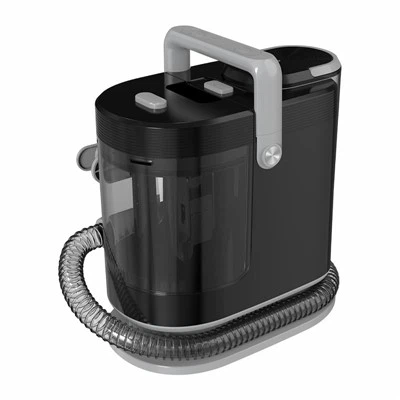
So next time your steamer starts acting up, don’t blow a gasket (pun totally intended). Start with the obvious, work through the simple checks, and if you hit a wall, hit us up. We’re the garment steamer folks, and we’ve seen it all—from kinked hoses to forgotten water tanks to people who used soda instead of water (don’t ask). We’ll get your steamer steaming again, pronto.
References
Handheld Carpet and Upholstery Cleaner Garment Steamer Maintenance Guide, Home Appliance Repair Association, 2023
Mineral Scale Effects on Small Home Heating Appliances, Journal of Household Products Research, 2022
Best Practices for Descaling Steam-Powered Devices, International Apparel Care Association, 2024
Ningbo MLE Electrical Appliance Co., Ltd.
Ningbo MLE Electrical Appliance Co., Ltd. is one of the most reliable garment steamer manufacturers and suppliers in China, also supports customized service. Welcome to buy advanced garment steamer made in China here and get pricelist from our factory. Quality products and reasonable price are available.
Address: 921 Room, Jinsejiangnan Building, Zhonghe Street, Yinzhou District, Ningbo, Zhejiang, China.
E-mail: Eileen@nbmle.cn
WebSite: https://www.cleaningappliance.com/
