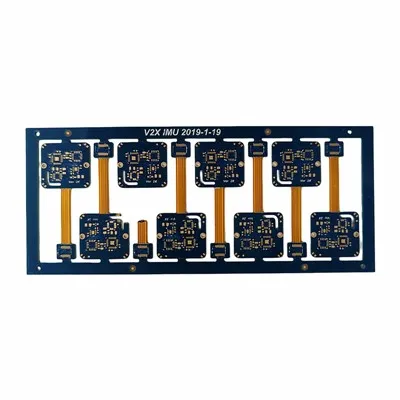
When it comes to SMT PCB Assembly, one often overlooked but critically important aspect is component storage. As a supplier in this field, I’ve seen firsthand how proper or improper storage can make or break a project. So, what exactly are the requirements for component storage in SMT PCB Assembly? Let’s dive right in. SMT PCB Assembly
Temperature and Humidity Control
The first thing we need to talk about is the environment where components are stored. Temperature and humidity are like the dynamic duo that can either protect your components or cause them a whole lot of trouble.
Most electronic components are sensitive to extreme temperatures. If it’s too hot, components can warp, solder joints can weaken, and the electrical properties of materials can change. On the other hand, if it’s too cold, some components might become brittle and more prone to cracking. Generally, a temperature range of 20°C to 25°C (68°F to 77°F) is ideal for storing most SMT components. Of course, different components might have slightly different preferences, so it’s always a good idea to check the manufacturer’s datasheet.
Humidity is just as crucial. High humidity can lead to moisture absorption in components, which can cause corrosion, especially on metal parts. It can also create problems during the soldering process, like the formation of voids in solder joints. We usually aim for a relative humidity level between 30% and 50%. To maintain these ideal temperature and humidity conditions, we use climate – controlled storage rooms with air – conditioning and dehumidifying systems. It might seem like overkill, but trust me, it pays off big time in the long run.
Protection from Static Electricity
Static electricity is the silent enemy of SMT components. A single static discharge, which you might not even feel, can fry a delicate integrated circuit or damage other sensitive parts. That’s why we take static protection very seriously.
First off, all our storage areas are equipped with anti – static flooring. This helps to dissipate any static charges that might build up on people or equipment. Workers are also required to wear anti – static wrist straps and clothing. These wrist straps are connected to a grounding point, ensuring that any static charge on the worker’s body is safely discharged.
When it comes to storing components, we use anti – static bags and containers. These bags are made of special materials that prevent static charges from building up on the surface. Components are carefully placed inside these bags, which are then sealed to provide an extra layer of protection. And if a component is particularly sensitive, we might even use conductive foam to cushion it and further reduce the risk of static damage.
Organization and Inventory Management
You might be thinking, "Okay, I get the environmental and static protection stuff, but what about keeping track of all these components?" Well, that’s where organization and inventory management come in.
In our warehouse, we have a well – structured system for storing components. Each component type is assigned a specific location, which is clearly marked. We use a combination of shelves, cabinets, and bins to keep everything organized. For example, resistors are stored together, capacitors in another area, and integrated circuits in a separate section.
To manage our inventory, we use a digital inventory management system. This system allows us to keep track of the quantity of each component, its location in the warehouse, and its expiration date (yes, some components do have expiration dates). We also have a barcode scanning system that makes it easy to check in and check out components. This not only helps us keep accurate records but also speeds up the process of finding and retrieving components when needed.
Regular inventory audits are also a must. We conduct these audits to make sure that the physical inventory matches what’s in our digital system. This helps us catch any discrepancies early on, such as missing or misplaced components.
Protection from Physical Damage
Components are often small and fragile, so they need to be protected from physical damage. During storage, we take several precautions to ensure this.
First, components are stored in containers that are designed to prevent them from moving around too much. For example, reels of surface – mount components are stored in special holders that keep them secure. This prevents the components from getting jostled and potentially damaged.
We also make sure that the storage areas are clean and free of debris. Any dirt or dust can scratch or damage the components, especially if they have exposed surfaces. So, we regularly clean the storage shelves, bins, and containers.
When handling components, our workers are trained to be gentle. They use proper tools, like tweezers and vacuum pick – up devices, to handle small components. This reduces the risk of dropping or accidentally crushing the components.
Handling of Moisture – Sensitive Devices (MSDs)
Moisture – Sensitive Devices (MSDs) are a special case in component storage. These are devices that can be damaged by moisture during the soldering process. The moisture can expand rapidly when heated, causing cracking and delamination in the device.
When we receive MSDs, we immediately store them in moisture – barrier bags with desiccant packs. These bags are sealed to prevent moisture from getting in. Each bag also has a humidity indicator card, which shows the humidity level inside the bag.
Before using an MSD, we follow a strict baking process. This involves heating the component to a specific temperature for a set period of time to drive out any absorbed moisture. The exact baking parameters depend on the type of MSD and the manufacturer’s recommendations.
We also keep a close eye on the floor life of MSDs. Floor life refers to the amount of time an MSD can be exposed to normal atmospheric conditions before it needs to be re – baked or stored in a protected environment again. Once the floor life is exceeded, the component has to go through the baking process again.
Conclusion
So, there you have it – the main requirements for component storage in SMT PCB Assembly. Proper temperature and humidity control, protection from static electricity, organization and inventory management, protection from physical damage, and special handling of moisture – sensitive devices are all essential for ensuring the quality and reliability of your SMT components.
As a SMT PCB Assembly supplier, we understand the importance of getting these storage requirements right. We’ve invested a lot of time and resources into creating the best possible storage conditions for our components, and as a result, we can offer high – quality PCBs to our customers.
Automotive Wire Harness If you’re in the market for SMT PCB Assembly services, and you want a supplier who takes component storage seriously, we’d love to talk to you. Whether you’re working on a small – scale project or a large – scale production run, we have the expertise and facilities to meet your needs. Reach out to us to start a conversation about your project and how we can help you achieve the best results.
References
- IPC/JEDEC J – STD – 033D. "Handling, Packaging, Shipping and Use of Moisture/Reflow Sensitive Surface Mount Devices".
- IPC – A – 610E. "Acceptability of Electronic Assemblies".
- Manufacturer datasheets of various SMT components.
Huaswin Electronics Technology Co., Ltd.
Address: Building A2, Hao Hai Hong Industrial Park, No.3 Yu He Road, Gong He, Sha Jing, Bao An, Shenzhen
E-mail: sales@huaswin.com
WebSite: https://www.huaswin-pcba.com/
