A cable is a fundamental component in various industries, serving as a conduit for electrical signals or power. When it comes to wiring solutions, two commonly used terms are "cable assembly" and "single cable." Each has distinct characteristics, applications, and advantages. As a professional supplier of Cable Assemblies & Accessories, I have extensive knowledge and hands – on experience in dealing with both. In this blog, I will delve into the differences between a cable assembly and a single cable to help you make more informed decisions for your projects. Cable Assemblies & Accessories
Physical Structure
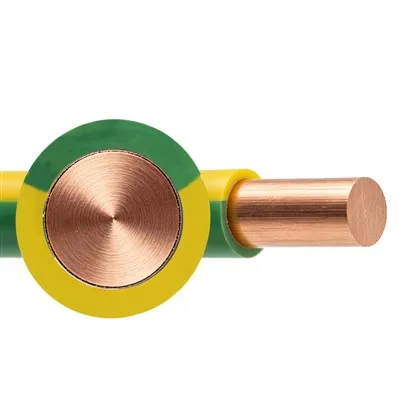
A single cable is exactly what it sounds like: a solitary conductor or a group of conductors encased within an insulating material. It can be as simple as a coaxial cable used for transmitting TV signals, which consists of a central conductor, an insulating layer, a metallic shield, and an outer jacket. Or it could be a power cable with multiple conductors for carrying electrical current. The structure of a single cable is relatively straightforward, designed mainly for a direct, uncomplex transmission task.
On the other hand, a cable assembly is a more complex entity. It is composed of multiple single cables or wires that are carefully organized, bundled, and terminated with connectors. For example, in an automotive wiring harness (a type of cable assembly), various single cables are combined to transmit different signals such as power, data, and control signals for different parts of the vehicle. The cables in an assembly are often protected by additional sheaths, ties, or conduits, which not only keep the cables organized but also provide extra protection against environmental factors like moisture, abrasion, and electromagnetic interference (EMI).
Customization and Flexibility
Single cables are available in a wide range of standard sizes, lengths, and specifications. They are mass – produced to meet general market demands. While you can find single cables with different conductor materials (such as copper or aluminum), insulation types, and gauges, the degree of customization is limited. For instance, if you need a single cable for a basic home electrical appliance, you can easily purchase a pre – made cable of the appropriate length and type from a local hardware store.
Cable assemblies, however, offer a high level of customization. As a supplier, I often work with clients to design cable assemblies according to their specific requirements. This may include the number and type of cables, the length of each cable, the type of connectors used, and the overall layout of the assembly. For example, in a high – tech aerospace application, the cable assembly needs to be precisely tailored to fit the unique space constraints and electrical requirements of the aircraft’s avionics system. We can adjust the routing of cables, select the most suitable connectors for high – reliability and low – signal loss, and design the assembly to withstand extreme temperatures and vibration.
Application Scenarios
Single cables have their place in many simple and straightforward applications. In residential settings, single cables are used for basic electrical connections such as plugging in appliances, lighting fixtures, and electronic devices. For example, a lamp cord is a single cable that connects a lamp to a power outlet. In industrial automation, single cables can be used for short – distance connections between sensors and controllers when the wiring requirements are relatively simple.
Cable assemblies are more commonly found in complex systems where multiple signals or power sources need to be managed simultaneously. In the automotive industry, cable assemblies are crucial for connecting the various electronic components in a vehicle, such as the engine control unit, airbag sensors, and infotainment system. In the telecommunications field, cable assemblies are used in data centers to connect servers, switches, and routers, ensuring the smooth transmission of large amounts of data. They are also widely used in military equipment, medical devices, and aerospace systems, where reliability, precise signal transmission, and compact design are of utmost importance.
Installation and Maintenance
Installing a single cable is generally a simple task. Since it is a single, self – contained unit, it can be easily routed through conduits or attached to equipment using simple connectors or fasteners. In most cases, minimal tools are required for installation. Maintenance is also relatively easy; if a single cable fails, it can be quickly identified and replaced.
The installation of a cable assembly is more involved. Due to its complex structure and multiple components, careful planning and organization are necessary. Special tools may be required to terminate the connectors properly and secure the cables within the assembly. Moreover, during maintenance, identifying the root cause of a problem can be more challenging because multiple cables are involved. However, cable assemblies are designed with modularity in mind, which means that in many cases, faulty parts can be replaced without having to replace the entire assembly.
Cost Considerations
Single cables are usually more cost – effective, especially for simple applications. The mass production of single cables reduces manufacturing costs, and the simplicity of their design also means lower labor costs during production. As a result, they are a popular choice for applications where budget is a major concern and the wiring requirements are not overly complex.
Cable assemblies, due to their customization and complex manufacturing process, tend to be more expensive. Designing a custom cable assembly involves engineering time to understand the client’s requirements, selecting the appropriate components, and performing quality control checks. The cost of the connectors used in the assembly can also add up, especially if high – quality, specialized connectors are needed. However, in the long run, a well – designed cable assembly can save costs by reducing the risk of system failures, minimizing downtime, and improving overall system efficiency.
Performance and Reliability
Single cables are designed to meet basic performance requirements. They can provide reliable electrical conductivity and signal transmission over short distances. However, they may be more vulnerable to external factors such as EMI, mechanical stress, and environmental conditions. For example, a single unshielded cable may pick up electromagnetic interference from nearby electrical equipment, which can degrade the signal quality.
Cable assemblies are engineered to provide enhanced performance and reliability. The use of shielding materials, proper grounding techniques, and well – designed connectors helps to minimize EMI and ensure stable signal transmission. The additional protection provided by the outer sheaths and bundling methods also makes cable assemblies more resistant to mechanical damage, moisture, and temperature variations. In critical applications such as medical devices and aerospace systems, the high reliability of cable assemblies is essential to ensure the safety and proper functioning of the equipment.
Conclusion
In summary, the differences between a cable assembly and a single cable are significant, covering aspects such as physical structure, customization, application scenarios, installation and maintenance, cost, and performance. Single cables are simple, cost – effective, and suitable for basic applications, while cable assemblies offer high – level customization, enhanced performance, and reliability, making them the preferred choice for complex systems.
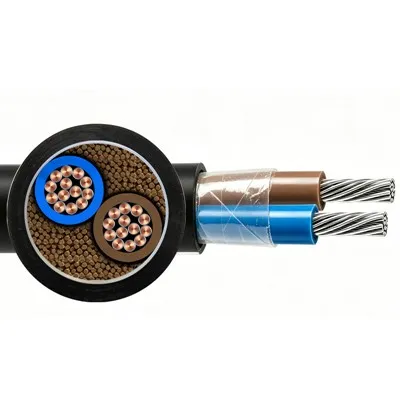
As a supplier of Cable Assemblies & Accessories, I understand that choosing the right wiring solution is crucial for the success of your project. Whether you need a simple single cable or a highly customized cable assembly, I have the expertise and resources to meet your needs. Our team of experienced engineers can work with you from the initial design phase to ensure that the final product meets your exact specifications.
Power Cable Low Voltage If you have any questions about cable assemblies or single cables, or if you are interested in discussing a potential project, please feel free to reach out. We are committed to providing high – quality products and excellent customer service. Let’s work together to find the best wiring solution for your application.
References
- Grob, Bernard. "Basic Electronics." McGraw – Hill Education, 2007.
- Neufeld, John. "Electrical Wiring Residential." Cengage Learning, 2018.
- Terman, Frederick Emmons. "Radio Engineers’ Handbook." McGraw – Hill, 1943.
Yangzhou Huayu Cable Co., Ltd.
Yangzhou Huayu Cable Co., Ltd. is one of the most professional cable assemblies & accessories manufacturers and suppliers in China, also supports customized service with low price. Please feel free to wholesale advanced cable assemblies & accessories made in China here from our factory. Contact us for pricelist.
Address: No. 9 Jingang Road, Yangzhou City, Jiangsu Province, China
E-mail: huayucableco@126.com
WebSite: https://www.huayucabletech.com/
