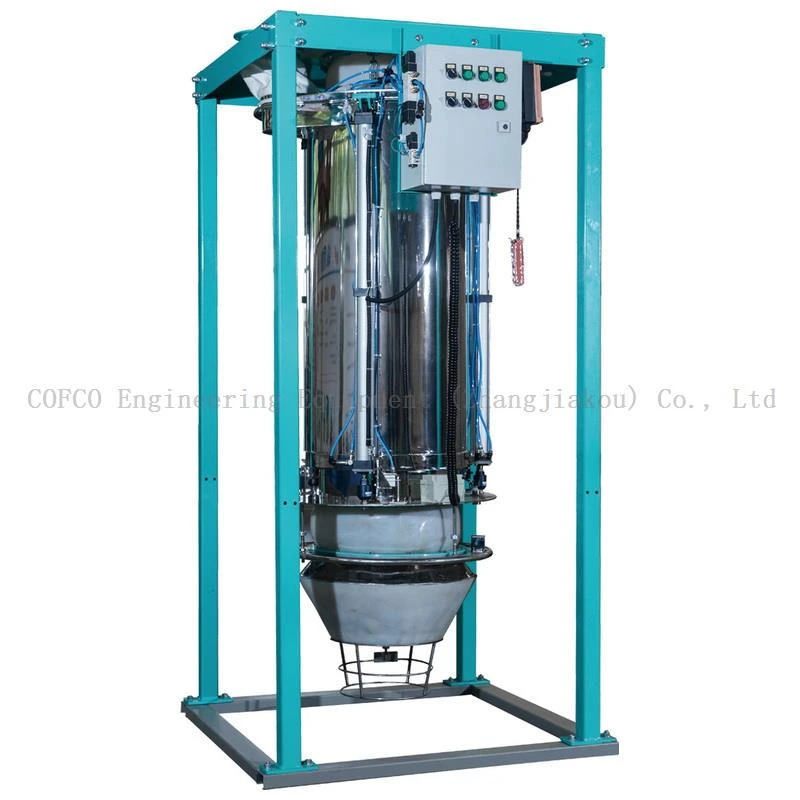
Hey there! I’m a guy running a Grain Conveying Equipment supply business. One of the most common questions I get from farmers and grain handlers is how our vibrating conveyors prevent grain damage during conveyance. Well, let me break it down for you in a way that’s easy to understand. Grain Conveying Equipment
Understanding the Basics of Vibrating Conveyors
First off, what’s a vibrating conveyor anyway? It’s a machine that uses vibrations to move bulk materials, like grains, from one place to another. It consists of a trough or a tube that vibrates, causing the grains to slide or jump forward. Unlike some other types of conveyors, vibrating conveyors don’t have any moving parts in contact with the grain other than the trough surface. This is a big plus when it comes to preventing damage.
Gentle Handling through Vibration Control
One of the key ways our vibrating conveyors prevent grain damage is through precise vibration control. We’ve spent a lot of time and effort fine – tuning the vibration parameters. The frequency and amplitude of the vibrations are carefully adjusted so that the grains move smoothly along the trough.
If the vibrations are too strong, the grains can bounce around too much and collide with each other or the sides of the trough. This can cause cracks, breakage, or even remove the germ of the grain, which is a big no – no. On the other hand, if the vibrations are too weak, the grains won’t move effectively, leading to clumping and potential blockages.
Our conveyors use state – of – the – art controllers that can maintain a steady and optimal vibration level. This means the grains are gently coaxed along the trough without being subjected to rough treatment. For example, when you’re moving corn, which has relatively large and brittle kernels, the right vibration setting ensures that the corn moves in a controlled manner, reducing the risk of breakage.
Trough Design and Material Selection
The design and material of the trough play a crucial role in preventing grain damage. Our troughs are designed with a smooth interior surface. A rough surface could cause abrasion on the grains as they move along, leading to damage. The smooth surface allows the grains to slide easily with minimal friction.
We also pay close attention to the shape of the trough. A well – designed trough has a shape that promotes uniform flow of the grains. This prevents any areas where the grains might pile up or get stuck, which could lead to compaction and damage. For instance, a trough with a rounded bottom can help the grains move more evenly compared to a trough with sharp corners.
In terms of material selection, we use high – quality, food – grade materials for the trough. These materials are not only durable but also non – reactive with the grains. They won’t leach any harmful substances into the grain, and they’re easy to clean. This is important because any residue left in the trough from previous loads could contaminate the new grain or cause blockages, leading to potential damage during conveyance.
Speed and Capacity Management
Another factor in preventing grain damage is managing the speed and capacity of the conveyor. Our vibrating conveyors are designed to operate at an optimal speed. If the conveyor moves too fast, the grains may not have enough time to settle and could be pushed around too aggressively. This can result in damage, especially for delicate grains like rice.
We also make sure to match the conveyor’s capacity to the amount of grain being transported. Overloading the conveyor can cause the grains to pile up, increasing the pressure on the lower layers and leading to breakage. By carefully calculating the required capacity based on the customer’s needs, we can ensure that the grains are conveyed at a safe and efficient rate.
For example, if a farmer has a small – scale operation and only needs to move a few tons of wheat per day, we’ll recommend a conveyor with a lower capacity. This way, the conveyor can handle the load without putting too much stress on the grains.
Dust and Debris Removal
During the conveyance process, dust and debris can accumulate in the trough. This not only affects the quality of the grain but can also contribute to damage. Our vibrating conveyors are equipped with dust and debris removal systems.
These systems can be as simple as a built – in air suction mechanism that draws out the dust particles as the grains move along. Some conveyors also have screens or filters that can separate larger debris from the grains. By keeping the trough clean, we prevent the grains from rubbing against dirt and other foreign objects, which could cause scratches or abrasions.
Noise and Shock Absorption
Vibrating conveyors can generate noise and shocks during operation. Excessive noise can be a nuisance, but more importantly, shocks can cause damage to the grains. Our conveyors are designed with noise and shock absorption features.
We use special shock – absorbing materials in the construction of the conveyor frame. These materials help to reduce the impact of the vibrations on the grains and the surrounding environment. Additionally, the motor and vibration generators are mounted in a way that minimizes the transmission of shocks to the trough. This means that the grains are transported in a more stable environment, reducing the risk of damage.
Monitoring and Maintenance
We also provide our customers with tools and advice for monitoring and maintaining their vibrating conveyors. Regular inspections are crucial to ensure that the conveyor is operating at its best. We recommend checking the vibration settings, the condition of the trough, and the dust removal system on a regular basis.
If any issues are detected, such as a worn – out trough surface or a malfunctioning vibration controller, they should be addressed immediately. Our team of experts is always available to provide support and guidance on maintenance and repairs. By keeping the conveyor in good working condition, we can continue to prevent grain damage over the long term.
Why Choose Our Vibrating Conveyors
If you’re in the market for a grain conveying solution that can prevent grain damage, our vibrating conveyors are a great choice. We’ve spent years perfecting our technology to ensure that your grains are handled with the utmost care.
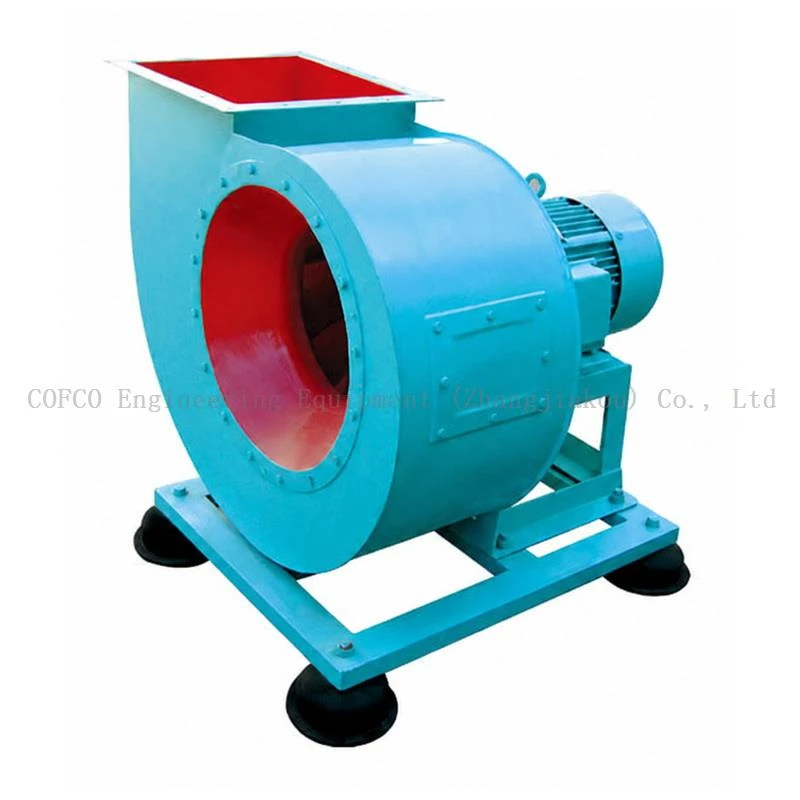
We offer a wide range of conveyor models to suit different needs and budgets. Whether you’re a small – scale farmer or a large – scale grain processing facility, we have a solution for you. Our conveyors are easy to install, operate, and maintain, which means you can focus on your core business without having to worry too much about the equipment.
Commercial Grain Mill If you’re interested in learning more about our vibrating conveyors or want to discuss your specific requirements, don’t hesitate to get in touch. We’re always happy to have a chat and help you find the best solution for your grain conveying needs. Contact us today to start the conversation about preventing grain damage during conveyance with our top – of – the – line vibrating conveyors.
References
- Handbook of Bulk Solids Handling and Transport
- Journal of Agricultural Engineering Research on Grain Conveyance Technologies
- International Symposium on Grain Processing and Conveyance Proceedings
COFCO Engineering Equipment (Zhangjiakou) Co., Ltd.
As one of the most professional grain conveying equipment manufacturers and suppliers in China, we also support customized service. Please feel free to wholesale advanced grain conveying equipment for sale here from our factory. Quality products and reasonable price are available.
Address: No.4 ZhongLiang Street, high-tech industrial development zone, Zhangjiakou, Hebei, PRC
E-mail: mayihui@cofco.com
WebSite: https://www.ceeflourmill.com/
