As a seasoned supplier of transmission parts, I’ve had the privilege of witnessing the intricate dance of components within a transmission system. A transmission system is a marvel of engineering, a complex network of parts working in harmony to transfer power from the engine to the wheels of a vehicle. In this blog, I’ll delve into the key components that make up a transmission system, sharing insights based on my years of experience in the industry. Transmission Parts
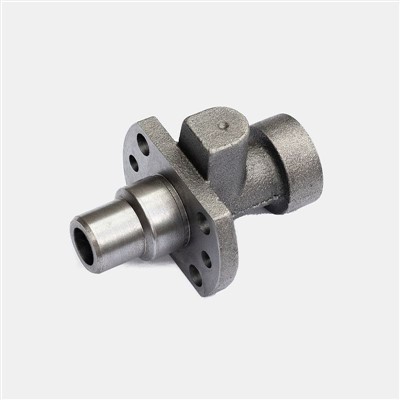
The Heart of the System: The Transmission Case
The transmission case serves as the protective housing for all the internal components of the transmission system. It is typically made of cast iron or aluminum, providing a sturdy and durable structure. The case not only shields the delicate parts from external elements but also helps to contain the transmission fluid, which is essential for lubrication and cooling.
One of the primary functions of the transmission case is to support the various shafts, gears, and bearings within the system. It provides a stable platform for these components to operate, ensuring smooth and efficient power transfer. Additionally, the case may include features such as mounting points for the transmission to the vehicle’s chassis, as well as openings for the input and output shafts.
Gears: The Building Blocks of Power Transfer
Gears are the fundamental components of a transmission system, responsible for changing the speed and torque of the engine’s output. They come in various sizes and configurations, each designed to perform a specific function. The most common types of gears used in transmissions are spur gears, helical gears, and bevel gears.
Spur gears are the simplest type of gear, consisting of straight teeth that mesh with each other. They are commonly used in manual transmissions, where they provide a direct and efficient transfer of power. Helical gears, on the other hand, have angled teeth that allow for smoother and quieter operation. They are often used in automatic transmissions, where they help to reduce noise and vibration.
Bevel gears are used to transfer power at a right angle, making them ideal for applications such as differentials. They are commonly found in rear-wheel drive vehicles, where they help to distribute power evenly between the two rear wheels.
Shafts: The Connecting Link
Shafts are the components that connect the various gears and other parts within the transmission system. They are typically made of steel or alloy materials, providing strength and durability. The input shaft is connected to the engine, while the output shaft is connected to the wheels.
In addition to the input and output shafts, there may also be intermediate shafts within the transmission system. These shafts help to transfer power between different gears and components, allowing for more complex gear ratios and power transfer options.
Clutches and Torque Converters: Controlling Power Flow
Clutches and torque converters are essential components of a transmission system, as they help to control the flow of power from the engine to the transmission. In a manual transmission, the clutch is used to engage and disengage the engine from the transmission, allowing the driver to change gears. The clutch consists of a friction plate, a pressure plate, and a release bearing, which work together to transfer power when the clutch is engaged.
In an automatic transmission, a torque converter is used instead of a clutch. The torque converter is a fluid coupling that uses hydraulic pressure to transfer power from the engine to the transmission. It allows the engine to continue running while the vehicle is stopped, and it also provides a smooth and seamless transition between gears.
Bearings: Reducing Friction and Wear
Bearings are used throughout the transmission system to reduce friction and wear between moving parts. They are typically made of steel or ceramic materials, and they come in various shapes and sizes. The most common types of bearings used in transmissions are ball bearings, roller bearings, and needle bearings.
Ball bearings are the most widely used type of bearing, as they provide a smooth and efficient transfer of power. They consist of a series of balls that are held in place by a cage, and they are designed to handle both radial and axial loads. Roller bearings are similar to ball bearings, but they use cylindrical rollers instead of balls. They are typically used in applications where higher loads are required.
Needle bearings are a type of roller bearing that uses long, thin rollers. They are commonly used in applications where space is limited, as they provide a high load capacity in a small package.
Synchronizers: Smooth Gear Changes
Synchronizers are a critical component of a manual transmission, as they help to ensure smooth and seamless gear changes. They work by matching the speed of the gears before they are engaged, reducing the amount of wear and tear on the transmission.
Synchronizers typically consist of a cone-shaped friction surface and a synchronizer ring. When the driver shifts gears, the synchronizer ring is pushed against the cone-shaped friction surface, causing the gears to spin at the same speed. This allows the gears to engage smoothly, without grinding or jerking.
Transmission Fluid: The Lifeblood of the System
Transmission fluid is a vital component of a transmission system, as it provides lubrication, cooling, and hydraulic pressure. It is typically made of a base oil and a variety of additives, which help to improve its performance and protect the transmission from wear and tear.
The type of transmission fluid used in a vehicle depends on the make and model of the vehicle, as well as the type of transmission. It is important to use the correct type of transmission fluid, as using the wrong fluid can cause damage to the transmission.
Conclusion
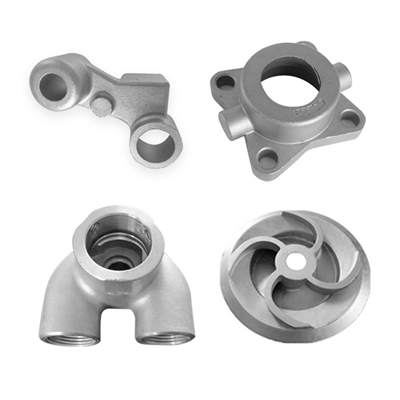
In conclusion, a transmission system is a complex and sophisticated piece of machinery, made up of a variety of components that work together to transfer power from the engine to the wheels. Each component plays a crucial role in the operation of the transmission, and understanding how they work is essential for maintaining and repairing a vehicle’s transmission.
Shaft Parts As a supplier of transmission parts, I am committed to providing high-quality products and exceptional customer service. Whether you are a mechanic, a car enthusiast, or a fleet manager, I can help you find the right transmission parts for your needs. If you have any questions or would like to discuss your transmission part requirements, please don’t hesitate to contact me. I look forward to hearing from you.
References
- Automotive Transmission Handbook, Second Edition, by Thomas H. Lee
- Fundamentals of Vehicle Dynamics, Second Edition, by Thomas D. Gillespie
- Modern Automotive Technology, Tenth Edition, by James D. Halderman
Taizhou Liuhuan Machinery Co., Ltd.
As one of the most professional transmission parts manufacturers and suppliers in China, we’re featured by quality products and good service. Please rest assured to buy customized transmission parts made in China here from our factory. For quotation, contact us now.
Address: Xinyuan Industrial Zone, Damaiyu Street, Yuhuan City, Zhejiang Province,China
E-mail: tzlhmachining@gmail.com
WebSite: https://www.tzlhmachining.com/
