Hey there! I’m a supplier of plastic reels, and I often get asked, "Are plastic reels suitable for heavy – duty applications?" Well, let’s dive right into this topic and find out. Plastic Reel
The Basics of Plastic Reels
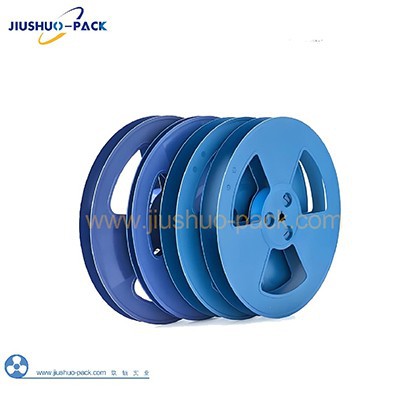
First off, let me give you a quick rundown on what plastic reels are. Plastic reels are used in a whole bunch of industries to wind and store various materials like wires, cables, ropes, and even some types of tapes. They come in different shapes, sizes, and designs to meet different needs.
The materials used to make plastic reels can vary. We’ve got common plastics like polypropylene (PP), polyethylene (PE), and acrylonitrile butadiene styrene (ABS). Each of these plastics has its own set of properties. For example, PP is lightweight, has good chemical resistance, and is relatively inexpensive. PE is tough and flexible, while ABS offers a good balance of strength, stiffness, and impact resistance.
Advantages of Plastic Reels for Heavy – Duty Applications
Now, let’s talk about why plastic reels can be a great choice for heavy – duty applications.
1. Lightweight Design
One of the biggest pluses of plastic reels is their lightweight nature. When you’re dealing with heavy – duty applications, transporting and handling large spools full of material can be a real pain. Plastic reels weigh a lot less than metal reels, which means it’s easier to move them around. This not only reduces the physical strain on workers but also cuts down on transportation costs. You won’t need as big or as powerful a forklift or other handling equipment to move the plastic reels.
2. Cost – Effectiveness
Plastic is generally cheaper than metal. Making plastic reels is a more cost – efficient process, and this cost – saving gets passed on to you, the customer. If you’re using a large number of reels for your heavy – duty operations, the cost difference can add up to a significant amount over time. You can invest the money you save in other aspects of your business, like improving your production line or hiring more skilled workers.
3. Corrosion Resistance
In many heavy – duty environments, there are factors like moisture, chemicals, and salt that can cause metal reels to rust and corrode. This can weaken the reels and even contaminate the materials they’re holding. Plastic reels, on the other hand, are highly resistant to corrosion. For example, if you’re in the marine industry and need to store ropes or cables that are often exposed to saltwater, plastic reels will last a lot longer without getting damaged.
4. Customizability
Plastic reels can be easily customized. We can mold them into different shapes and sizes to fit your specific requirements. If you have a unique type of cable or wire that needs a special reel design, we can make it happen. We can also add features like labels, markings, or special locks to make the reels more functional and user – friendly.
Limitations of Plastic Reels for Heavy – Duty Applications
Of course, plastic reels aren’t perfect for every heavy – duty situation, and there are some limitations.
1. Lower Strength Compared to Metal
Plastic is generally not as strong as metal. In applications where you need to handle extremely heavy loads or where there’s a lot of stress and impact, plastic reels may not be the best choice. For example, if you’re dealing with very thick and heavy cables that require high – tension winding, the plastic reel might crack or break under the pressure.
2. Temperature Sensitivity
Plastic can be sensitive to temperature changes. In very high – temperature environments, plastic reels may warp or soften, which can affect their performance and integrity. On the other hand, in extremely cold temperatures, plastic can become brittle and more prone to cracking. So, if your heavy – duty application involves extreme temperature conditions, you need to be careful when choosing plastic reels.
How to Determine If Plastic Reels Are Suitable
So, how do you know if plastic reels are right for your heavy – duty application? Here are some things to consider.
1. Load Capacity
You need to figure out the maximum weight and tension that the reel will have to handle. If the load is within the capacity of our plastic reels, then they’re a viable option. Our company tests all our plastic reels to make sure they can safely hold a certain amount of weight and withstand a specific level of tension. You can check with us to get the exact load capacity data for each type of reel we offer.
2. Environmental Conditions
Think about the environment where the reels will be used. If it’s a dry, stable environment with normal temperatures, then plastic reels should work just fine. But if there are extreme temperatures, high humidity, or exposure to chemicals, you may need to choose a plastic with better chemical and temperature resistance, or you might want to consider metal reels instead.
3. Frequency of Handling
If the reels need to be moved around a lot and are likely to experience bumps and impacts during handling, you need to make sure the plastic reel is strong enough to withstand that. We can recommend different types of plastic with varying levels of impact resistance based on how often the reels will be handled.
Real – World Examples
Let’s look at some real – world examples to see how plastic reels are being used in heavy – duty applications.
Electrical Wiring Industry
In the electrical wiring industry, plastic reels are commonly used to store and transport copper and aluminum wires. These wires can be quite heavy, especially in large spools. Plastic reels work well in this industry because they’re lightweight, which makes it easier to handle and transport the wire spools. Also, the corrosion resistance of plastic is a big advantage, as the reels may be stored in warehouses where there could be some moisture.
Agricultural Sector
In the agricultural sector, plastic reels are used to store and dispense irrigation hoses. The hoses can be long and heavy, and they’re often dragged around the fields. Plastic reels are a good choice here because they’re tough enough to withstand the rough handling, and their cost – effectiveness means that farmers can afford to use multiple reels.
Conclusion
So, are plastic reels suitable for heavy – duty applications? The answer is: it depends. Plastic reels have a lot of advantages like being lightweight, cost – effective, corrosion – resistant, and customizable. But they also have their limitations in terms of strength and temperature sensitivity.
If your heavy – duty application involves reasonable loads, normal environmental conditions, and frequent handling where weight is a concern, then plastic reels can be a great option. However, if you’re dealing with extremely heavy loads or extreme temperatures, you may need to think twice.
As a plastic reel supplier, I’m here to help you make the right choice. We’ve got a wide range of plastic reels to meet different needs, and we can provide you with all the technical information you need.
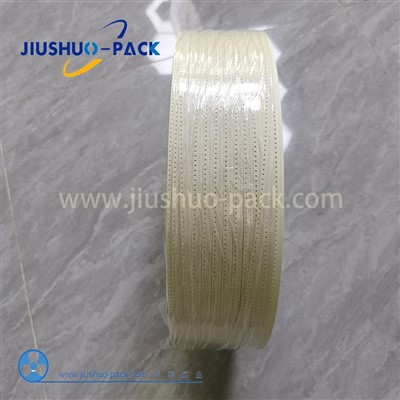
Cover Tape If you’re interested in learning more about our plastic reels or want to discuss your specific heavy – duty application, don’t hesitate to reach out to me. We can have a chat, and I’ll do my best to find the perfect solution for you. Let’s have a conversation and see how we can work together to meet your requirements.
References
- "Plastics in Industrial Applications" – A general industrial materials book that covers the properties and uses of different plastics.
- "Handbook of Reel Design and Manufacturing" – A technical guide on the design and production of reels for various industries.
Dongguan Jiushuo Industrial Co., Ltd.
As one of the most professional plastic reel manufacturers and suppliers in China, we also support customized service. Please feel free to buy high quality plastic reel made in China here from our factory. Contact us for more details.
Address: 11th Floor, Building 2, Chuangfu Center, Chashan Town, Dongguan City, Guangdong Province, China
E-mail: sales06@zaidaiw.com
WebSite: https://www.carriertape-pack.com/
