Hey there! I’m in the diaphragm pump supply business, and today I wanna chat about something super important: how temperature affects a diaphragm pump. Diaphragm Pump
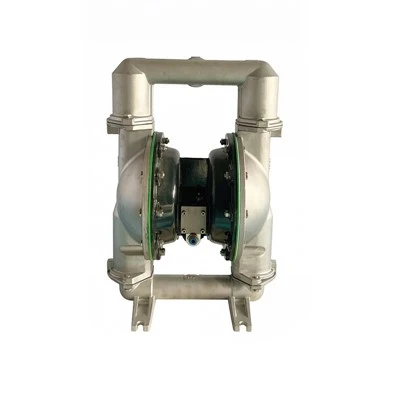
Let’s start with the basics. A diaphragm pump is a type of positive – displacement pump. It works by using a flexible diaphragm that moves back and forth, creating a vacuum to draw in fluid and then pushing it out. It’s a pretty nifty piece of machinery, used in all sorts of industries like chemical processing, food and beverage, and wastewater treatment.
Now, temperature can have a big impact on how well these pumps work. First off, let’s talk about high temperatures. When the temperature rises, the materials that make up the diaphragm can start to have problems. Most diaphragms are made from elastomers like rubber or other synthetic materials. These materials can become softer at high temperatures.
If the diaphragm gets too soft, it loses its shape and flexibility in the right way. This means that it can’t create a proper seal inside the pump. A poor seal leads to a loss of efficiency. The pump might not be able to draw in fluid as effectively, or it might leak during the discharge process. For example, in a chemical processing plant where precise amounts of chemicals need to be transferred, a loss of efficiency due to high – temperature – softened diaphragms can mess up the entire production process.
High temperatures can also cause the diaphragm to degrade faster. The heat can break down the chemical bonds in the elastomer, making it more brittle over time. Once the diaphragm becomes brittle, it’s more likely to crack or tear. And when that happens, the pump is pretty much out of commission. You’ll have to replace the diaphragm, which not only costs money but also causes downtime in your operation.
Another thing affected by high temperatures is the lubrication inside the pump. Most diaphragm pumps have some sort of lubricating system to reduce friction between moving parts. At high temperatures, the lubricant can thin out. When the lubricant gets too thin, it can’t provide adequate protection for the parts. This leads to increased wear and tear on components like the valves and the connecting rods. Over time, this can cause the pump to fail prematurely.
On the flip side, low temperatures are also a problem. When it gets cold, the elastomers in the diaphragm become stiff. A stiff diaphragm doesn’t flex as easily as it should. This means that it can’t move back and forth smoothly to create the necessary vacuum and pressure changes for pumping. So, the pump’s flow rate can drop significantly. In a food and beverage plant, for instance, if the pump can’t maintain the right flow rate because of a cold – stiffened diaphragm, it can disrupt the bottling or packaging process.
Low temperatures can also cause the fluid being pumped to thicken. If the fluid becomes too thick, it can be harder for the pump to move it. The pump might have to work harder to overcome the increased viscosity of the fluid. This extra strain can put more stress on the diaphragm and other pump components. In extreme cases, the pump might even get clogged if the fluid solidifies or becomes too viscous to flow through the pump’s channels.
When the temperature fluctuates a lot, that’s another headache. Rapid temperature changes can cause thermal expansion and contraction. The diaphragm and other pump parts expand when heated and contract when cooled. These repeated cycles of expansion and contraction can create internal stresses within the materials. Over time, these stresses can lead to fatigue cracking in the diaphragm and other components.
So, what can you do to deal with these temperature – related issues? Well, one option is to use diaphragms made from temperature – resistant materials. There are special elastomers designed to withstand high and low temperatures better than standard ones. These materials can maintain their shape and flexibility over a wider temperature range, reducing the chances of seal failure and premature degradation.
Another thing is to control the temperature of the environment where the pump is operating. In a factory setting, you can use heating or cooling systems to keep the temperature within an optimal range for the pump. For example, if the pump is in a cold storage area, you can install a heater to prevent the diaphragm from getting too cold.
It’s also important to choose the right lubricant for the temperature conditions. There are high – temperature and low – temperature lubricants available. Using the right one can ensure that the moving parts of the pump are properly protected, no matter what the temperature is.
If you’re having trouble with temperature – related pump issues, or if you’re just looking for a reliable diaphragm pump that can handle different temperature conditions, we’re here to help. We’ve been in the diaphragm pump supply game for a while, and we know our stuff. Our pumps are built to last, even in tough temperature environments.
Whether you need a small pump for a laboratory or a big one for an industrial plant, we’ve got a wide range of options to choose from. Our team can also provide you with advice on how to best operate and maintain your pump to overcome temperature challenges. So, if you’re interested in learning more about our products or having a chat about your specific needs, don’t hesitate to reach out. We’re ready to start a conversation about how we can help you get the most out of your diaphragm pump.
Gear Pump References
- "Pump Handbook" by Igor J. Karassik et al.
- "Fluid Mechanics and Hydraulic Machines" by R. K. Bansal.
Botou Hengyang Pump & Valve Co., Ltd.
With abundant experience, we are one of the most professional diaphragm pump manufacturers and suppliers in China. Please feel free to buy high standard diaphragm pump made in China here and get pricelist from our factory. All customized pumps are with high quality and competitive price.
Address: No. 159, Road 1, Development Zone, Botou City, Cangzhou, Hebei Province, China
E-mail: bthdbf@163.com
WebSite: https://www.hyoilp.com/
